


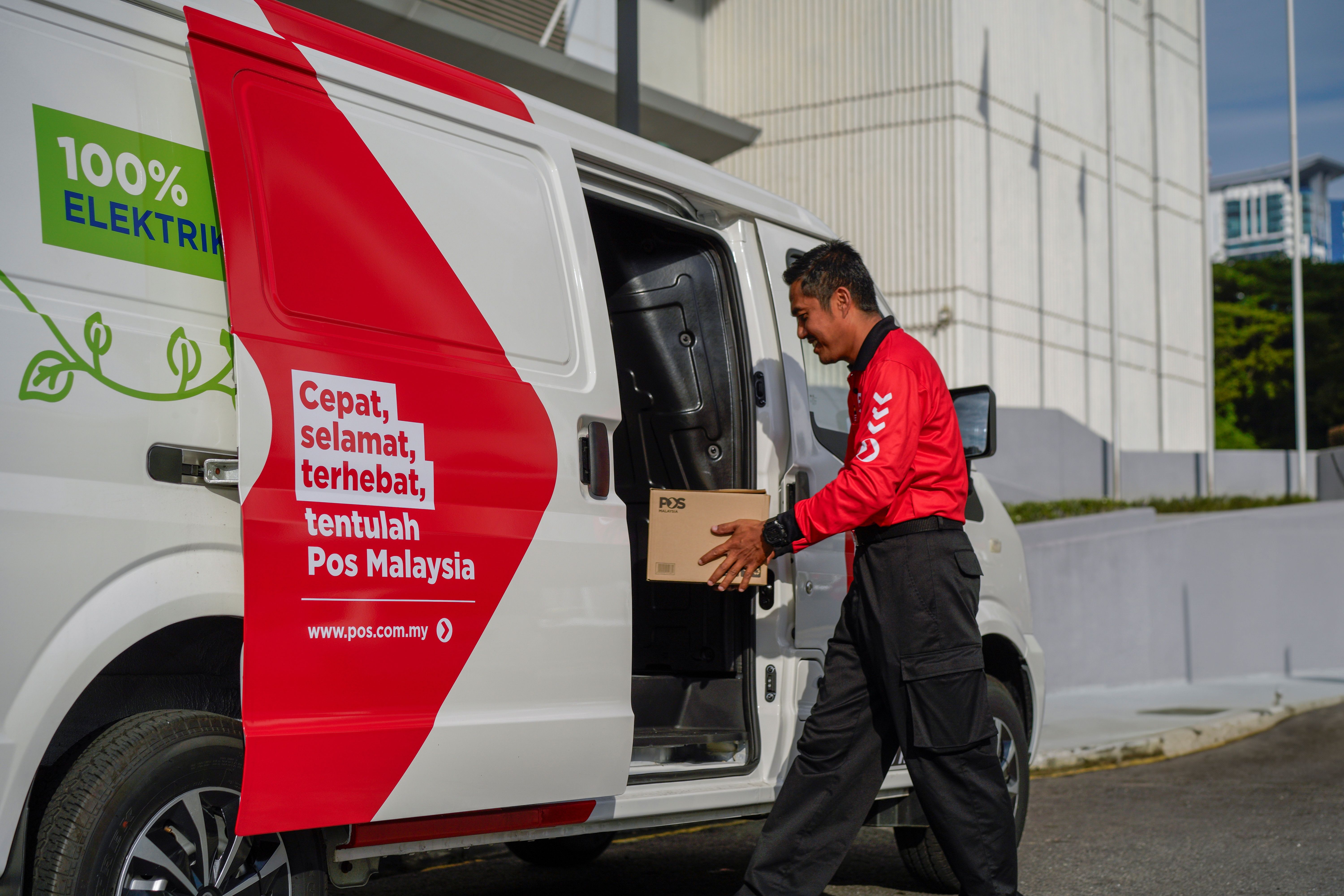




This World Post Day, the theme "One Postal Network, Infinite Possibilities" highlights the evolving role of postal and logistics networks in connecting people, businesses and communities around the world. Beyond moving goods from one location to another, logistics networks today have the potential to support another important transition: the journey towards a lower-carbon future.
Every shipment has a journey. No matter what sector your business operates in, whether you are shipping products to customers, moving inventory between locations or sourcing materials from suppliers, each step in that journey consumes energy and creates an environmental impact.
As sustainability expectations continue to grow, businesses are increasingly looking beyond their own operations to understand the emissions generated across their entire value chain. This is where Scope 3 emissions come into focus.
Understanding Scope 3 emissions
Greenhouse gas (GHG) emissions are typically divided into three categories:
Scope 3 emissions can include emissions generated by suppliers, employee commuting, business travel, transportation and distribution, product use and end-of-life disposal.
In other words, a company's carbon footprint often extends far beyond its own walls.
According to the Carbon Disclosure Project (CDP), companies report that supply chain emissions are, on average, 26 times greater than their operational emissions. This makes Scope 3 emissions one of the most significant, and often least visible, components of a business's environmental impact.
Why logistics matters
For many organisations, transportation and distribution represent a substantial proportion of Scope 3 emissions.
Every pickup, warehouse transfer, linehaul movement and last-mile delivery contributes to the overall carbon footprint associated with getting products to their destination. As businesses strengthen their sustainability commitments and ESG reporting practices, logistics is becoming a key area where meaningful emissions reductions can be achieved.
This is why green logistics matters.
Green logistics focuses on reducing the environmental impact of transportation through initiatives such as fleet electrification, route optimisation, energy efficiency improvements and carbon emissions reporting. By making logistics operations more sustainable, businesses can take practical steps towards reducing their Scope 3 emissions while maintaining operational efficiency.
Building a greener delivery network
At Pos Malaysia, sustainability is embedded into our transformation journey.
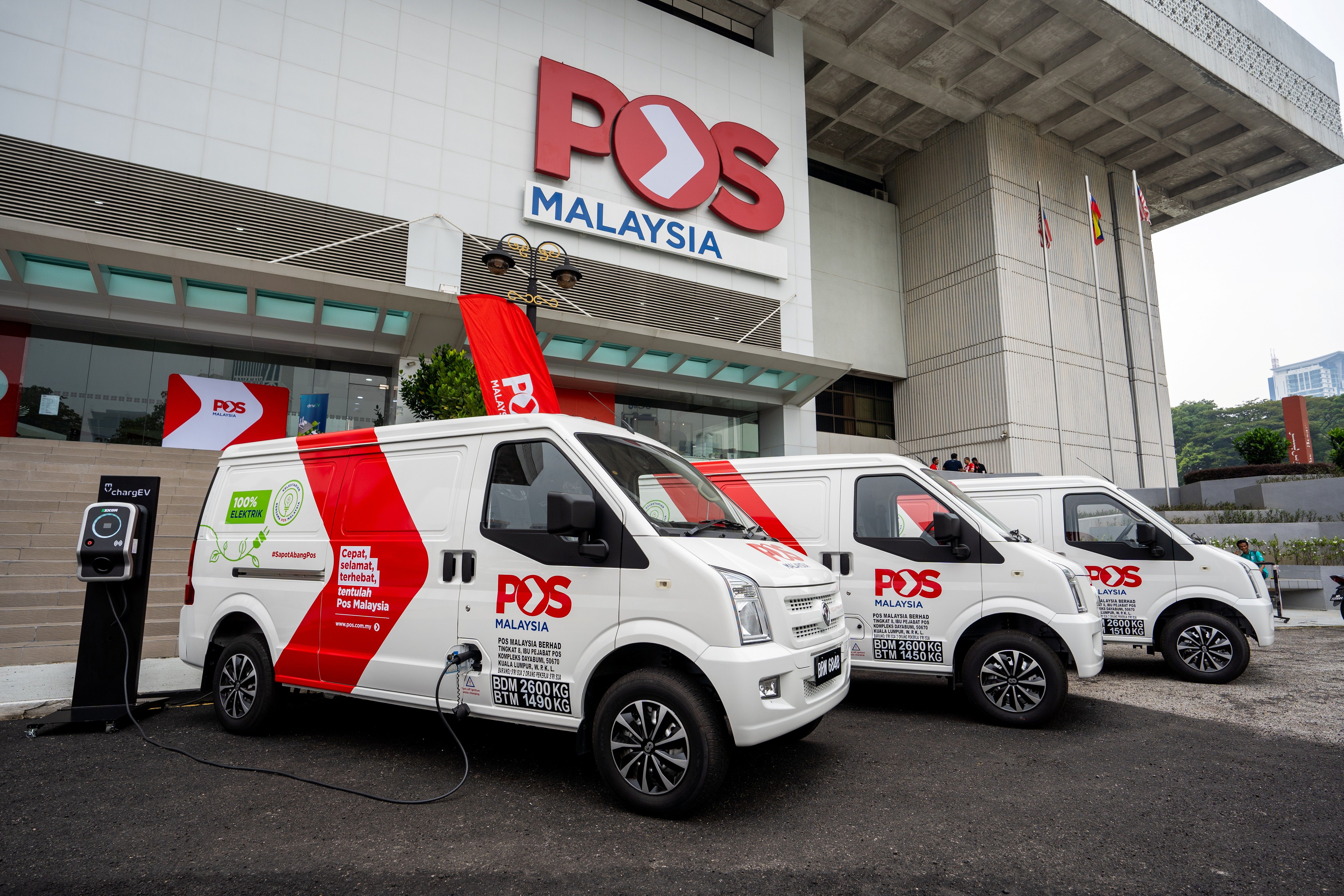
As part of our commitment to achieving 100% green first- and last-mile deliveries by 2030, we continue to invest in cleaner delivery solutions and fleet electrification.
Pos Malaysia now operates Malaysia's largest logistics electric vehicle fleet, comprising more than 1500 electric vans and bikes combined. Together, these vehicles travelled approximately 30 million kilometres, equivalent to more than 700 rounds around the world since its inception in 2023. Today, close to 30% of parcels are delivered using electric vehicle fleets, helping to reduce emissions across our delivery network.
This transformation is not only helping Pos Malaysia reduce its own environmental footprint. It is also creating opportunities for customers to better understand and manage the carbon impact of their shipments.
Turning shipment data into carbon insights
One of the biggest challenges businesses faces is obtaining accurate, supplier-specific emissions data.
Without access to actual transportation information, many organisations rely on industry averages to estimate logistics emissions. While useful, these estimates may not accurately reflect real-world operations.
To address this challenge, Pos Malaysia introduced Pos Hijau, a carbon accounting solution that helps businesses understand the carbon emissions associated with their shipments. Pos Hijau uses operational parcel data, including transport modes and delivery journeys, to generate emissions insights that support Scope 3 reporting.
Today, Pos Hijau supports more than 120 corporate customers with emissions tracking, procurement reporting and Scope 3 disclosures.
" For many organisations, logistics-related emissions represent a significant portion of their Scope 3 footprint, yet they can be difficult to measure accurately. Access to credible, supplier specific data is becoming increasingly important as businesses strengthen their sustainability reporting and decarbonisation strategies. Pos Hijau helps transform operational shipment data into meaningful carbon insights, giving organisations greater visibility into their logistics emissions and supporting more informed decision-making."
Jarod Ho, Head of Sustainability, Pos Malaysia
One postal network, infinite possibilities
This World Post Day, the theme "One Postal Network, Infinite Possibilities" reminds us that logistics networks can be about more than delivering parcels. They can help businesses track emissions more accurately, improve supply chain transparency and support progress towards sustainability goals.
As environmental disclosure requirements continue to evolve, businesses that understand and manage their Scope 3 emissions will be better positioned to meet stakeholder expectations, strengthen resilience and demonstrate environmental accountability.
At Pos Malaysia, we are passionate about building trust to connect lives and businesses for a better tomorrow. Through initiatives such as Pos Hijau and our ongoing fleet electrification efforts, we are helping businesses gain greater visibility into their logistics-related emissions, strengthen their sustainability reporting and take practical steps towards decarbonisation. Together, we can unlock the infinite possibilities of a connected network to build supply chains that are not only more efficient and transparent, but also more sustainable for future generations.
Interested in understanding the carbon emissions associated with your shipments? Learn more about Pos Hijau and discover how your business can gain greater visibility into logistics-related Scope 3 emissions by reaching out to us at 1300 300 300.


Follow us on


Download our app

